
The Photographers’ Gallery in London, United Kingdom, is hosting an exhibition of 100 photographs of ‘Sociological Record,’ the massive, 20-year project by Zofia Rydet. We take a look at her work, before zooming out more broadly on visual sociology as an applied practice.
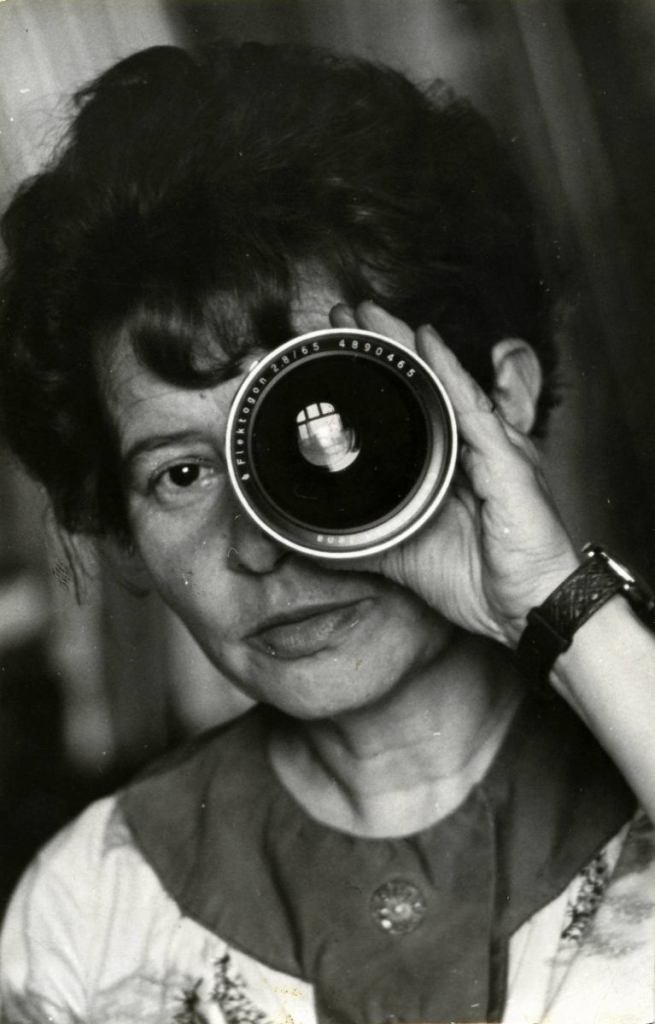
Zofia Rydet
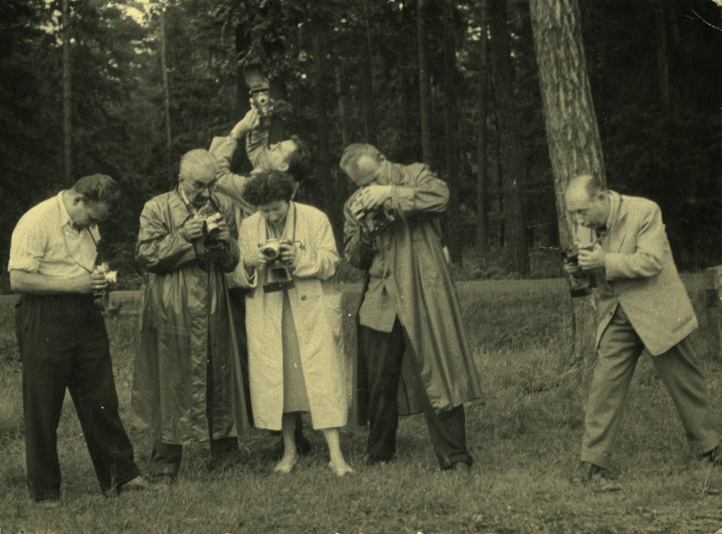
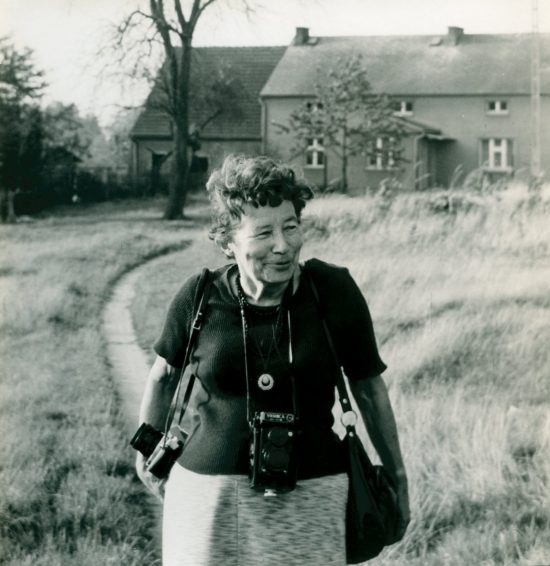
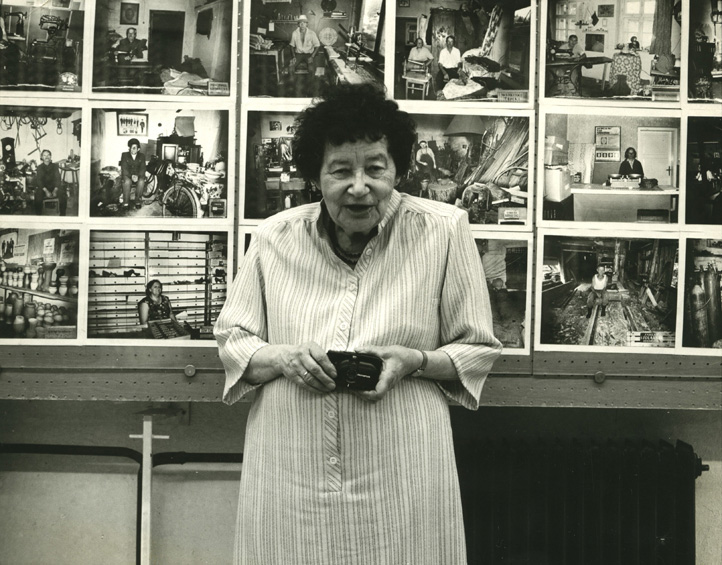
Zofia Rydet is a Polish photographer born in 1911, in Stanisławów (now the western Ukrainian city of Ivano-Frankivsk). She dreamed of studying fine arts, but her parents encouraged her to study economics at a finishing school for women. She began dabbling in photography from the mid-1930s in her spare time, while working at her brother’s travel office, a stationary office, and later opening her own toy and stationary store. She survived various occupations during World War II, from Russia, Germany, and Hungary.
In her 40s, she begins to study photography more formally, and to connect with other artists. In 1956, her work is included in a group exhibition. Her first solo exhibition was in 1961. She closed her business and spent the next decade travelling the world, and begins winning photography awards.
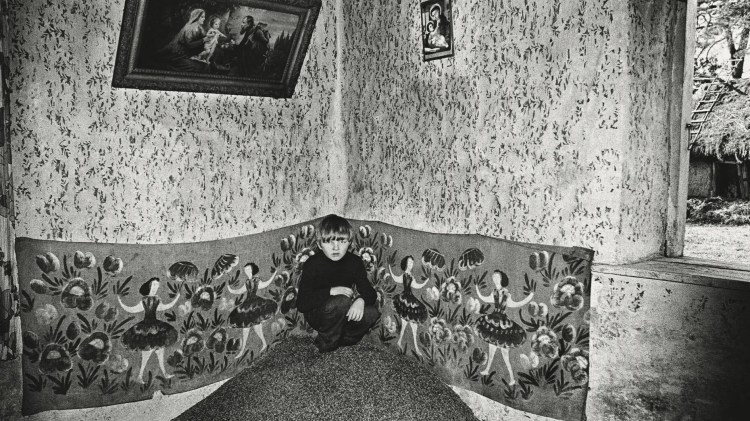
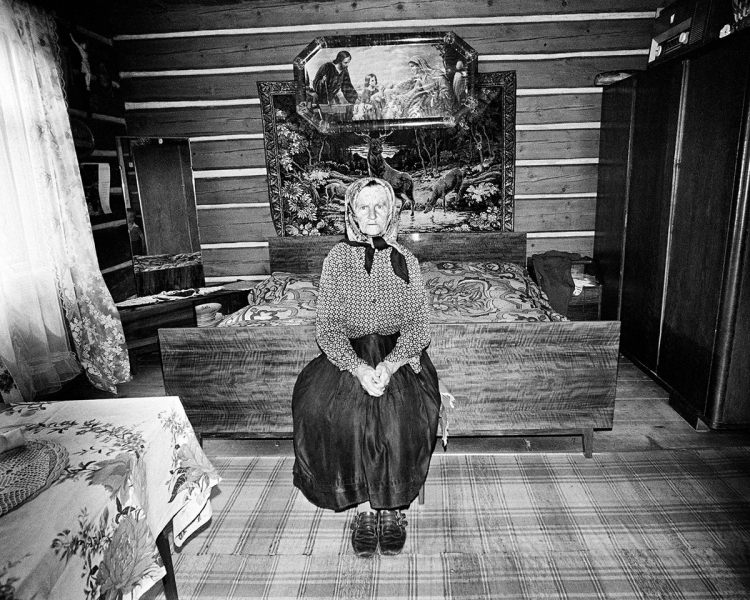
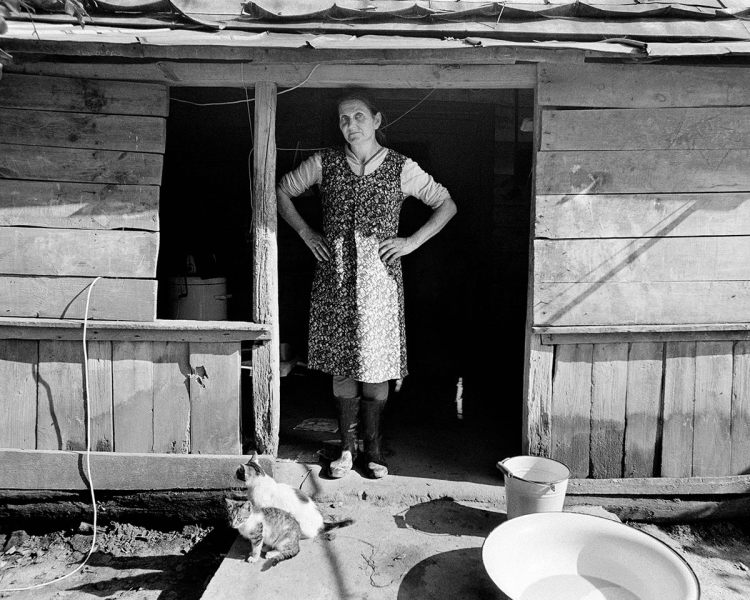
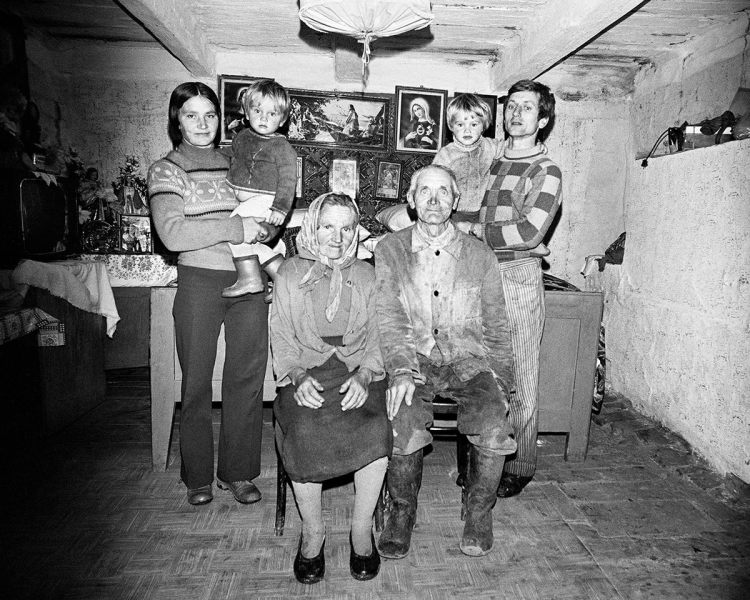
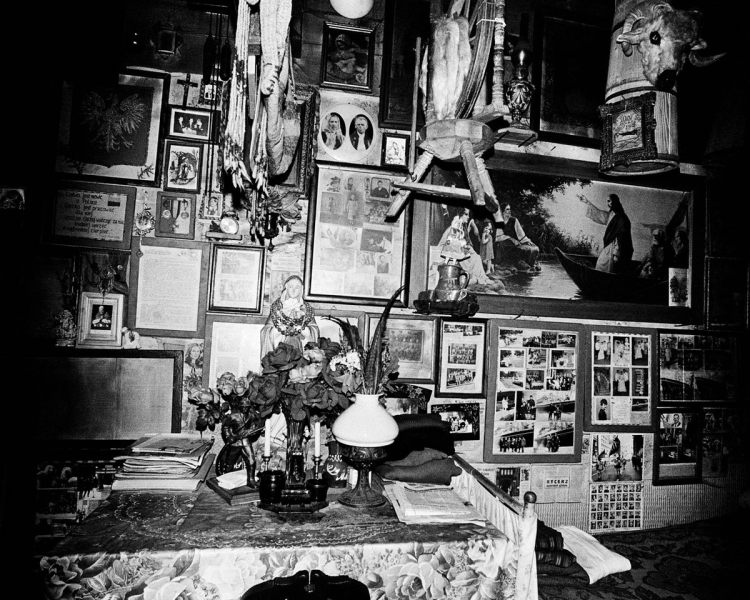
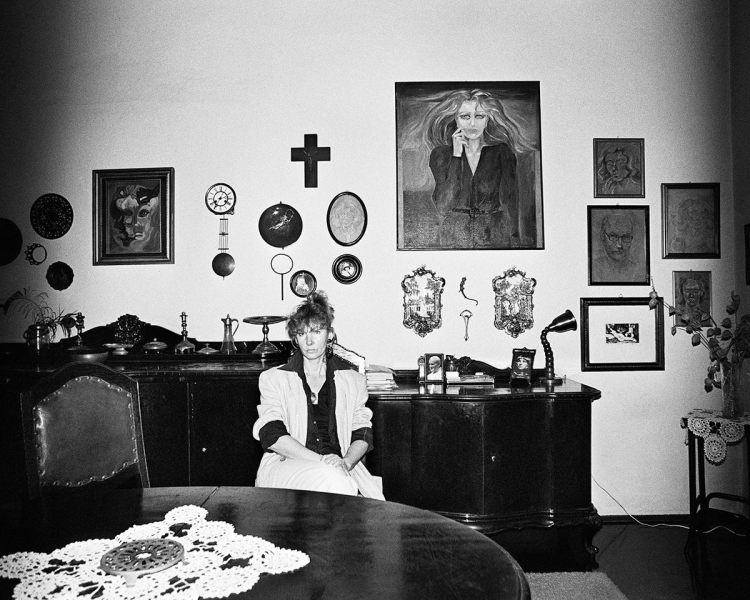
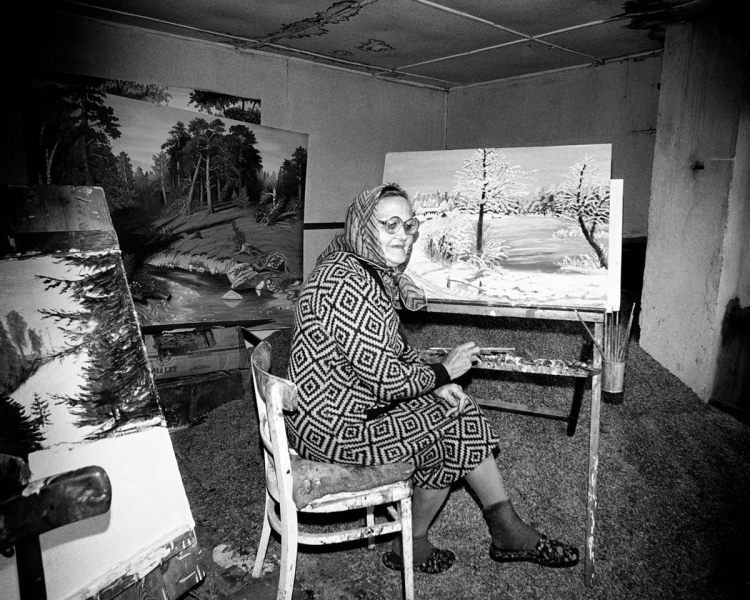
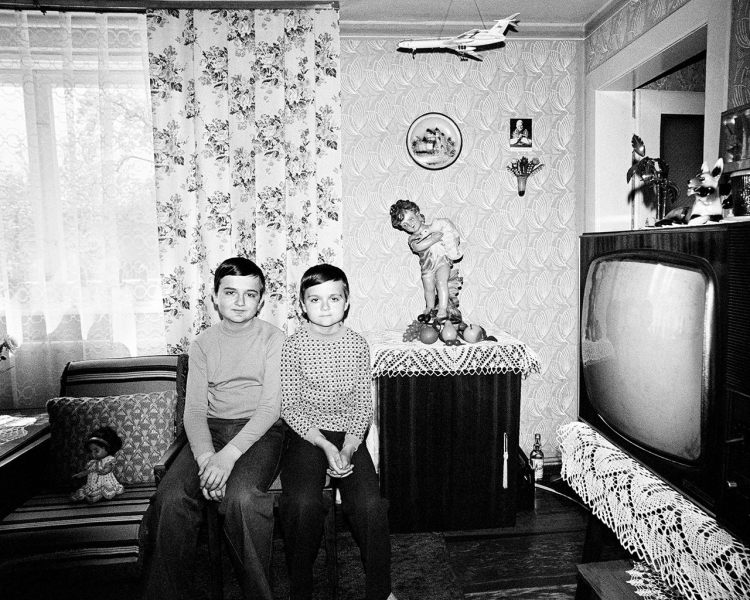
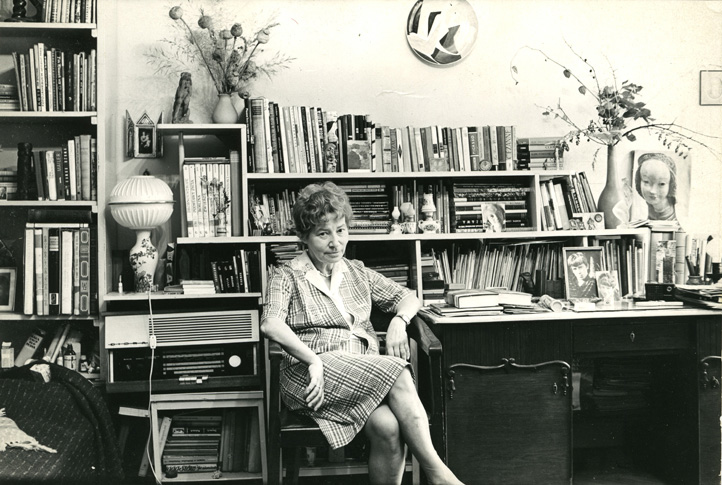
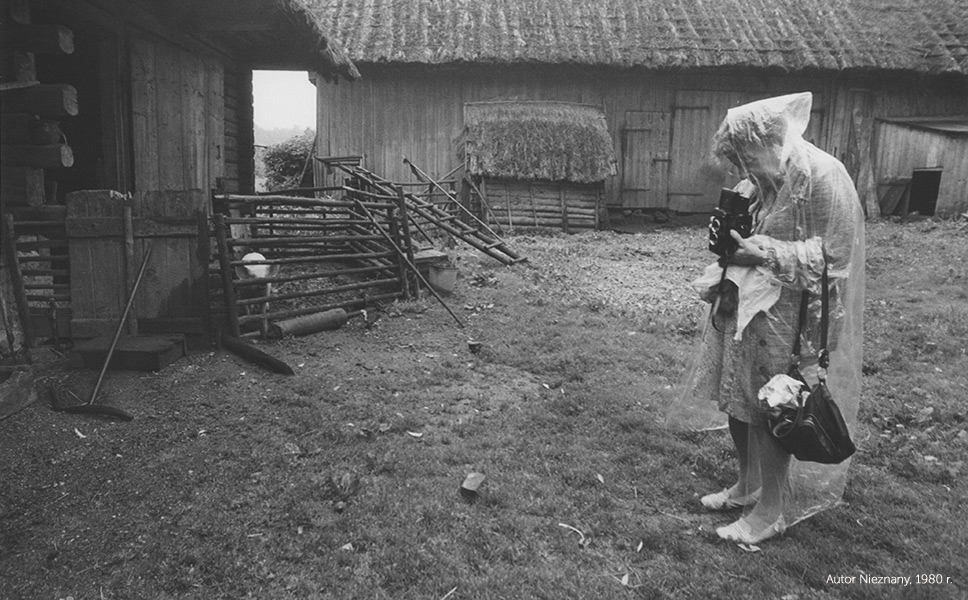
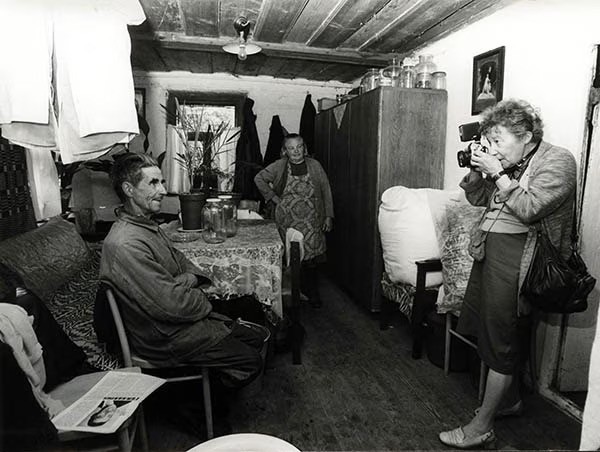
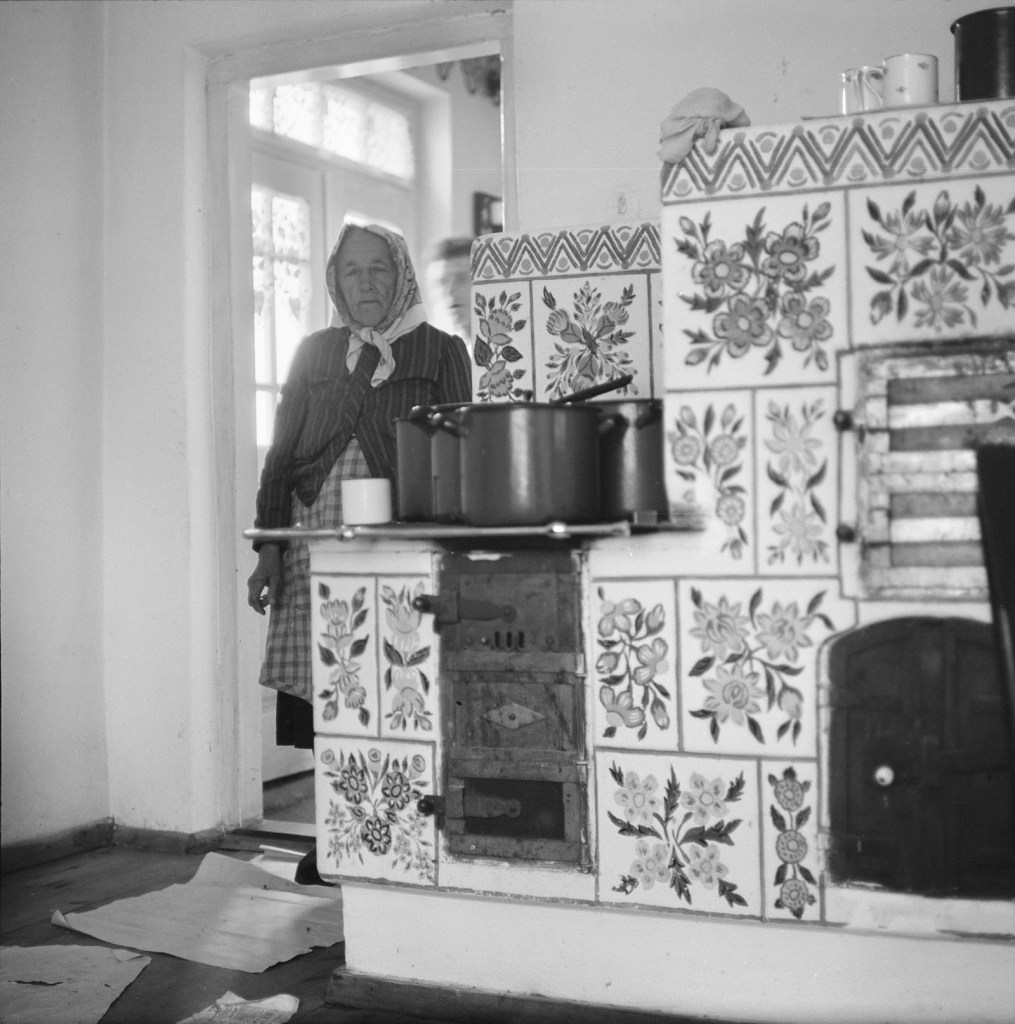
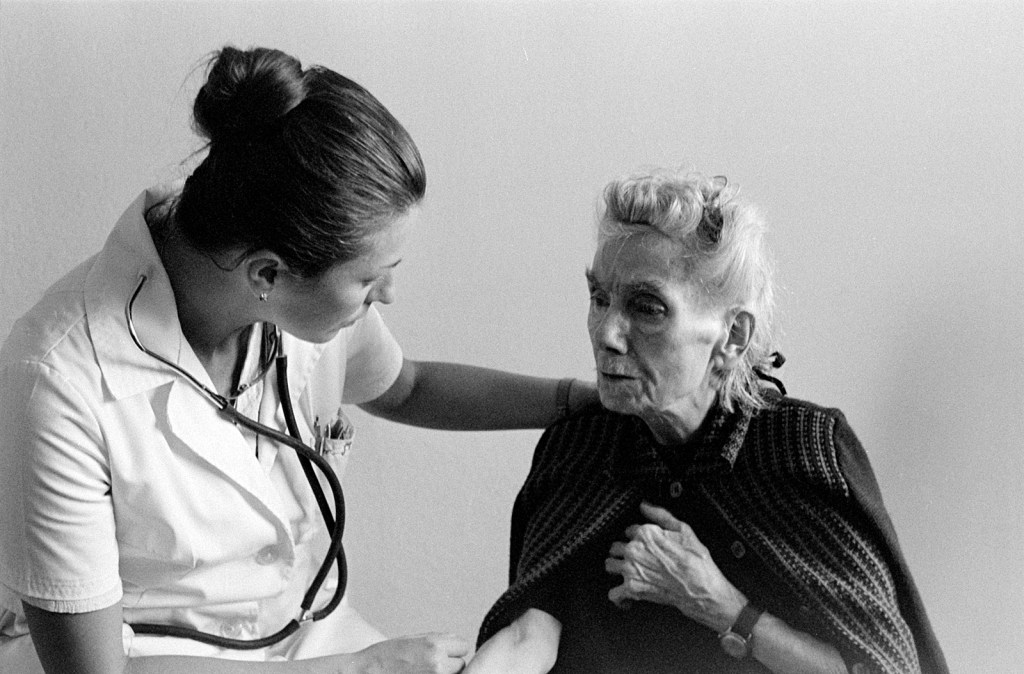
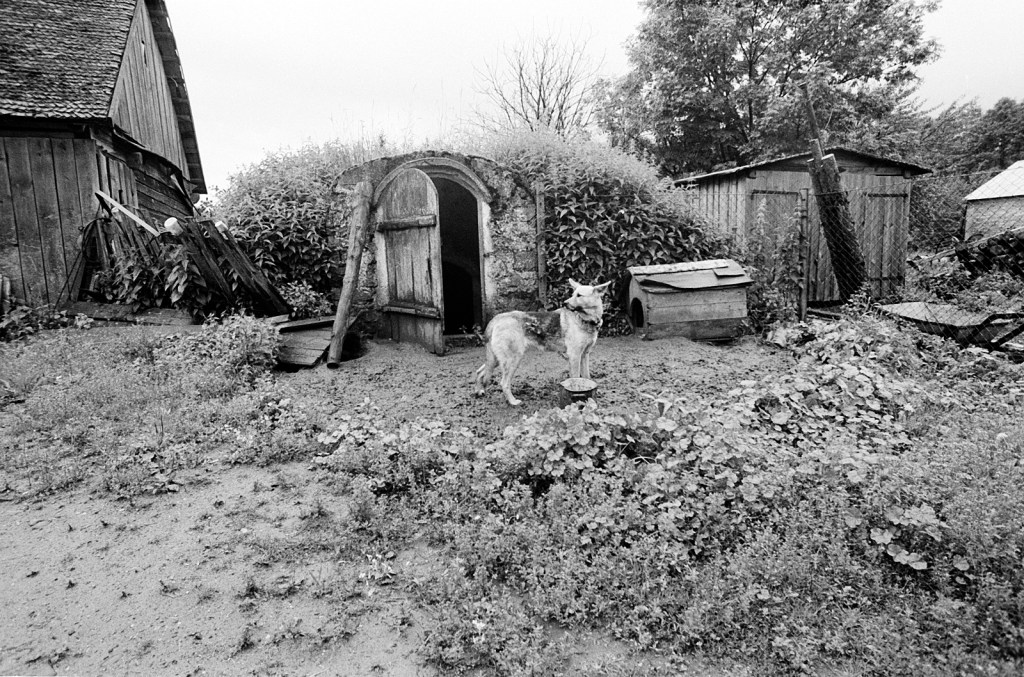
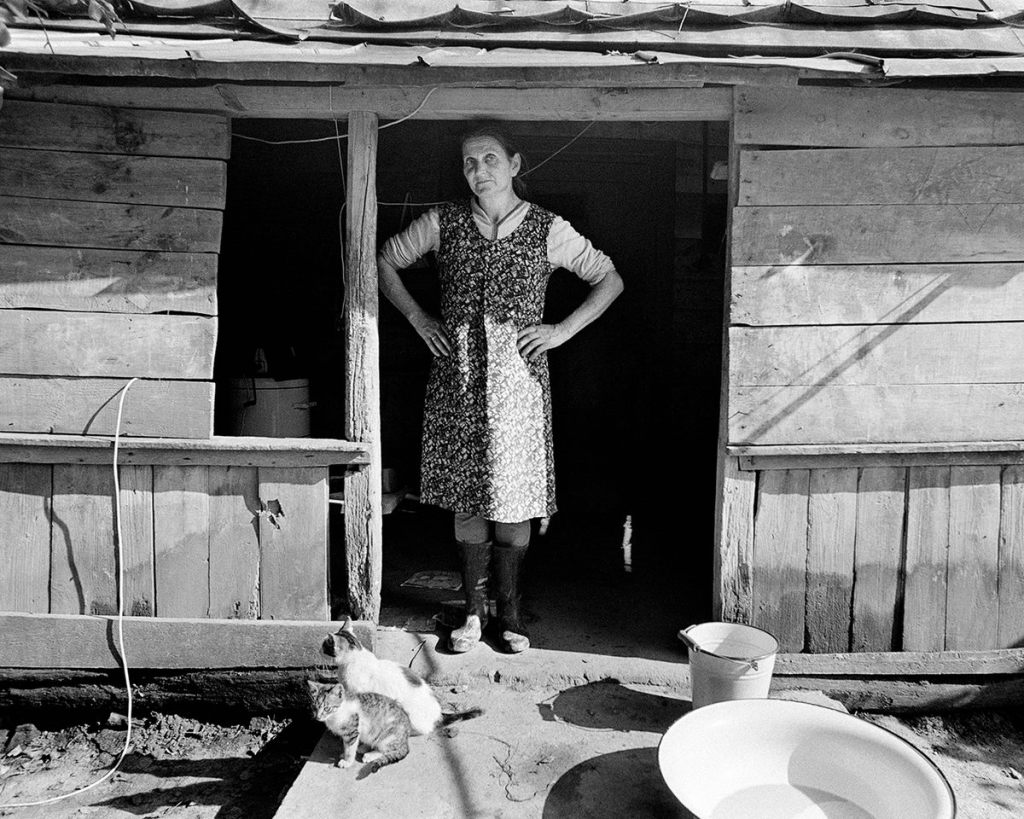
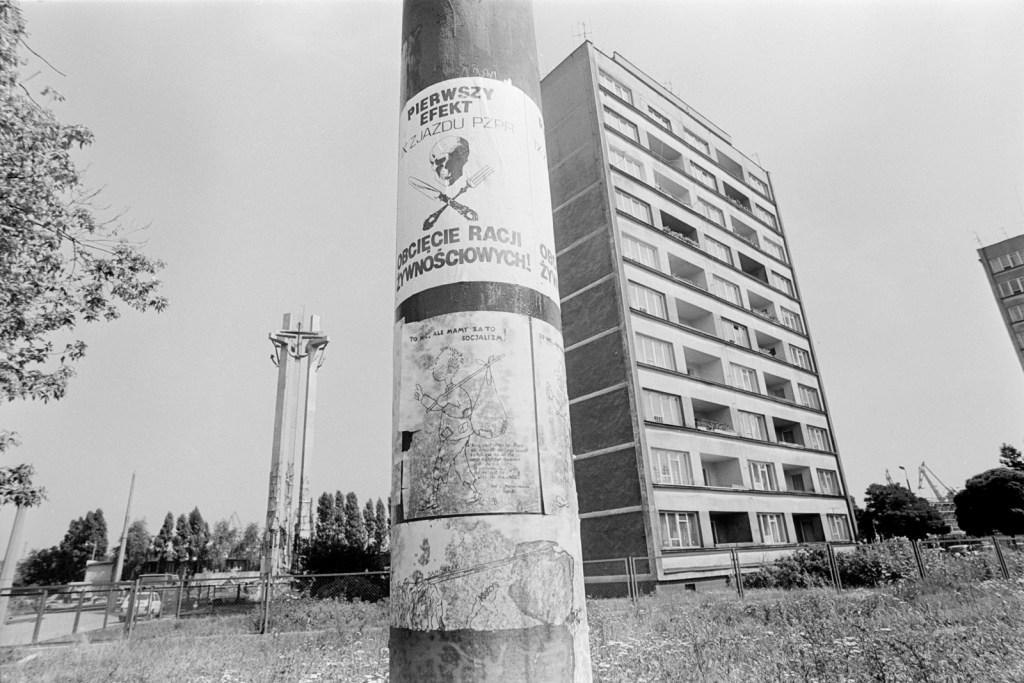
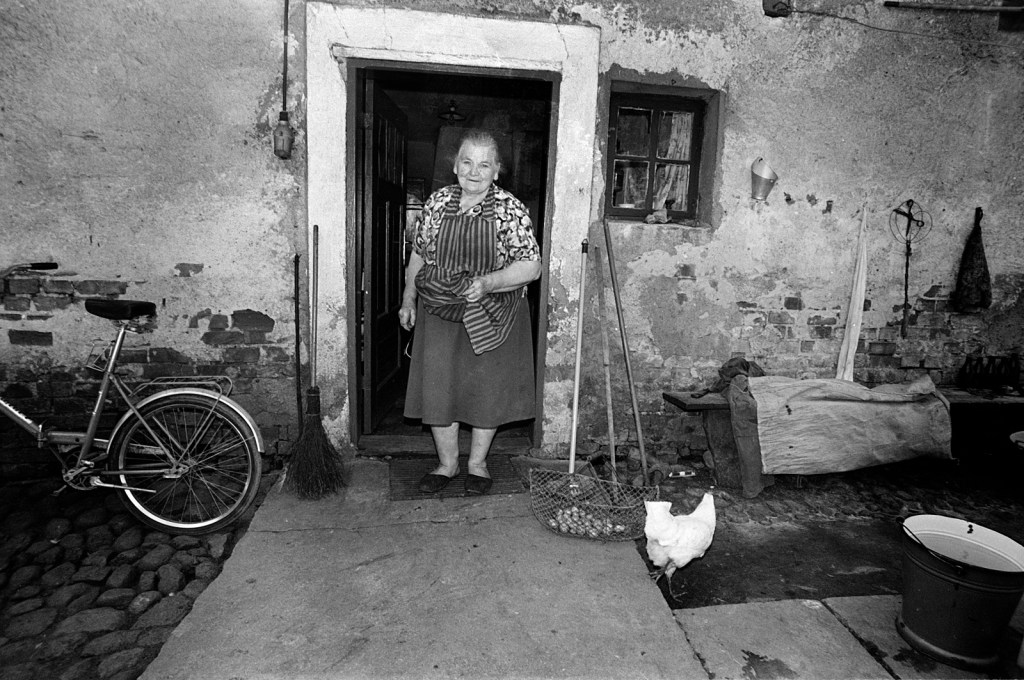
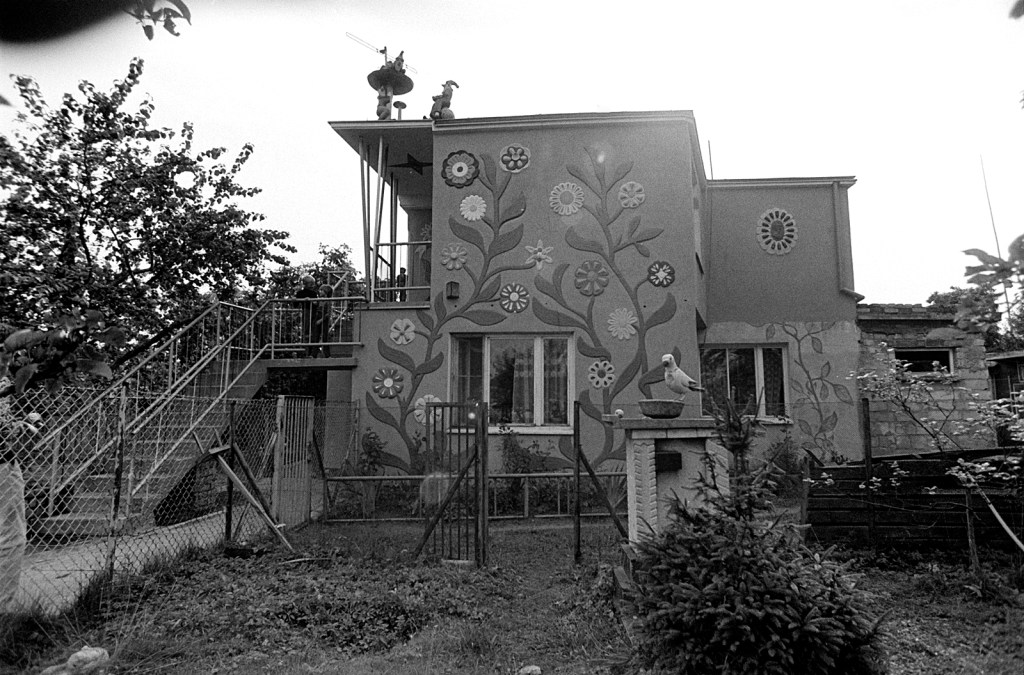
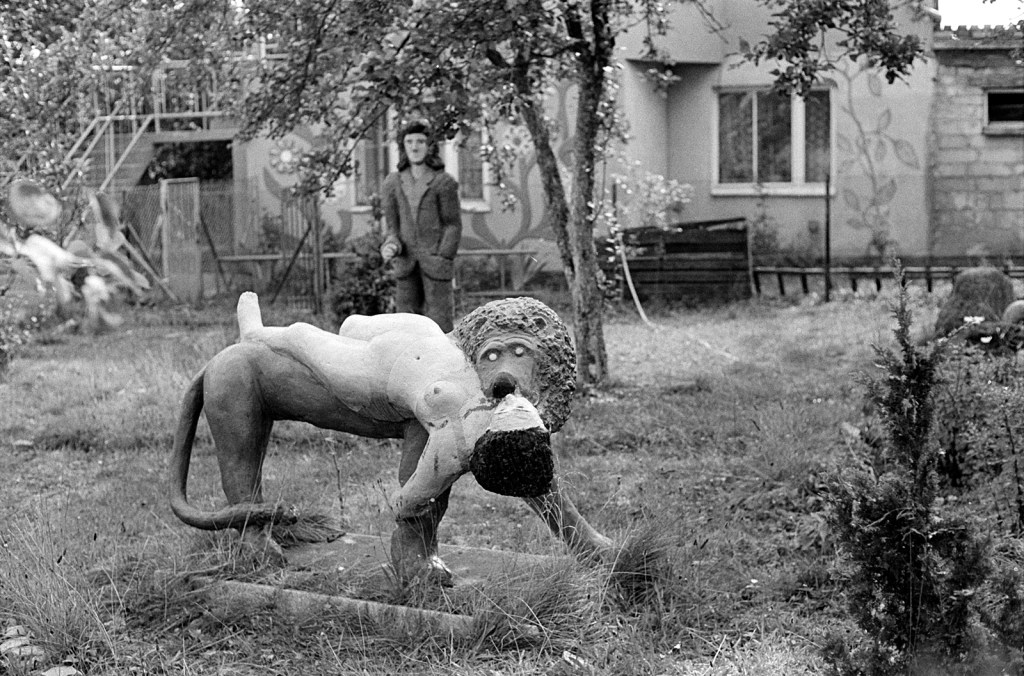
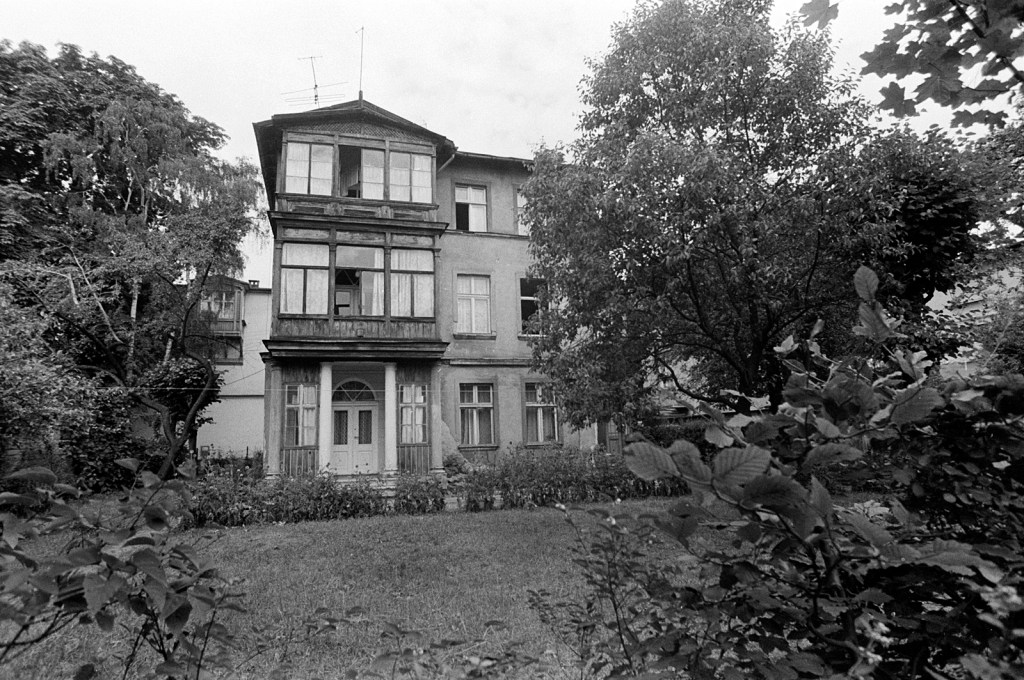
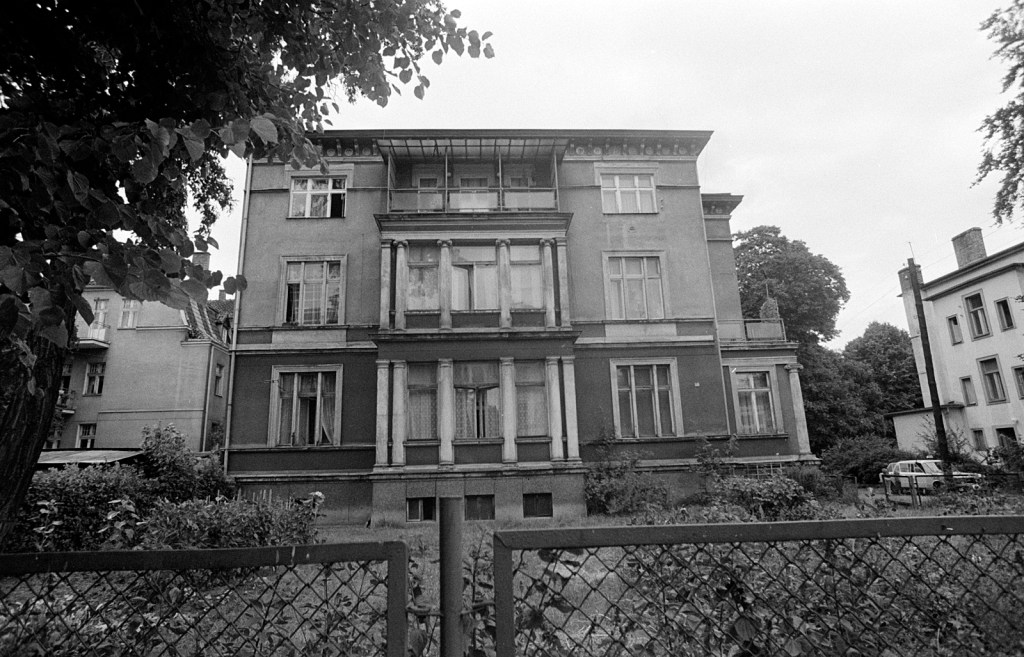
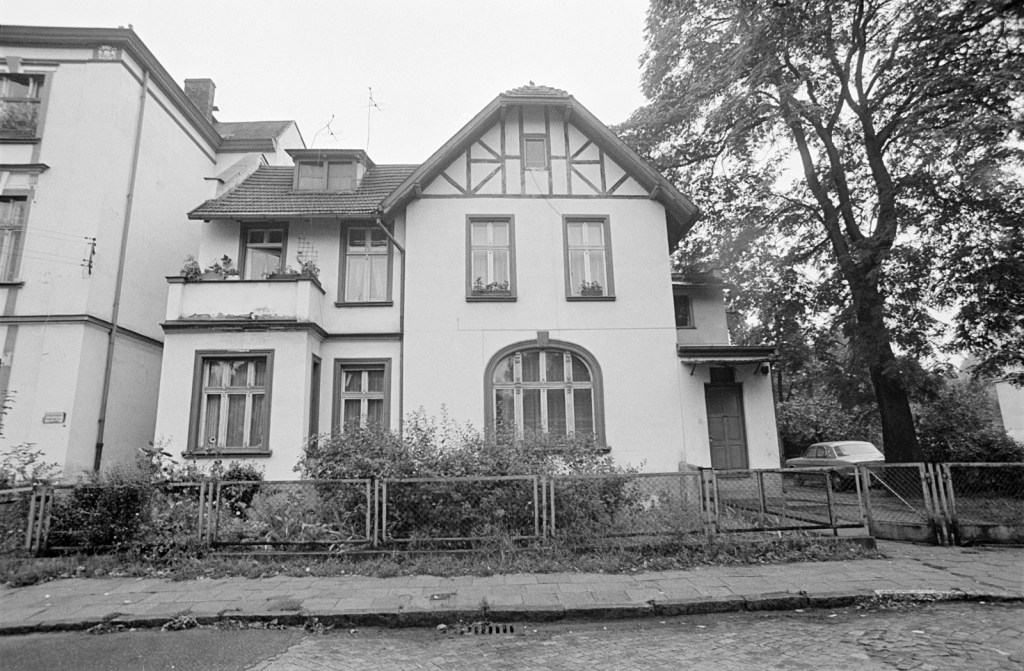
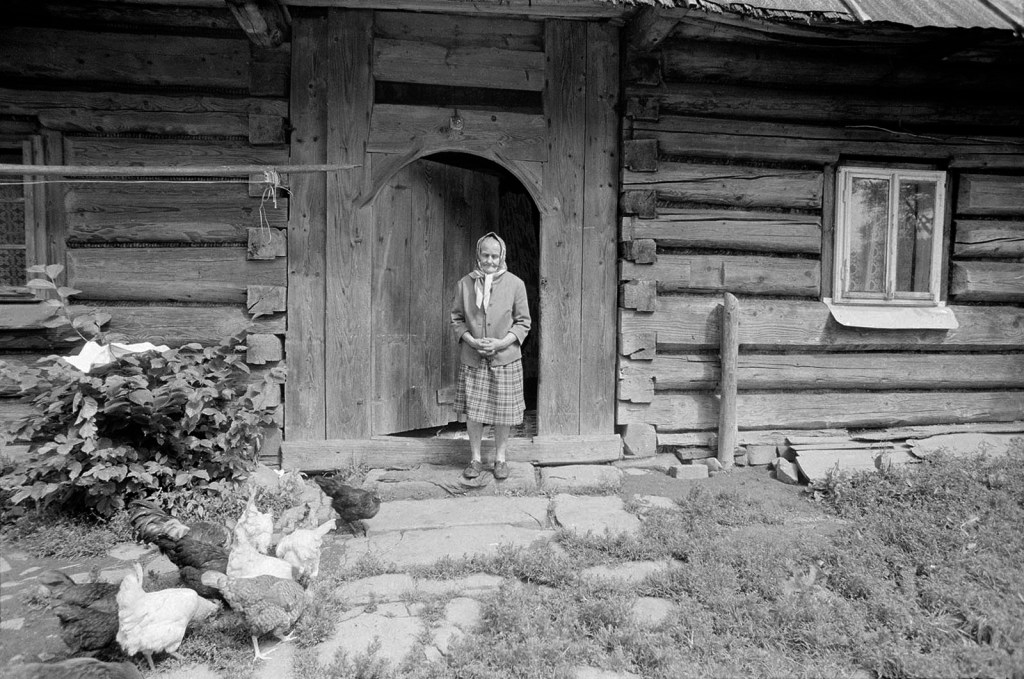
From 1978, when Rydet was 67 years old, up to her death in 1997, she took nearly 20,000 pictures of the ordinarily domestic and working lives of Polish people. The current London retrospective on this work began on 10 October 2025 and runs until 22 February 2025.
In 1990, Rydet explained her approach to the Sociological Record thusly:
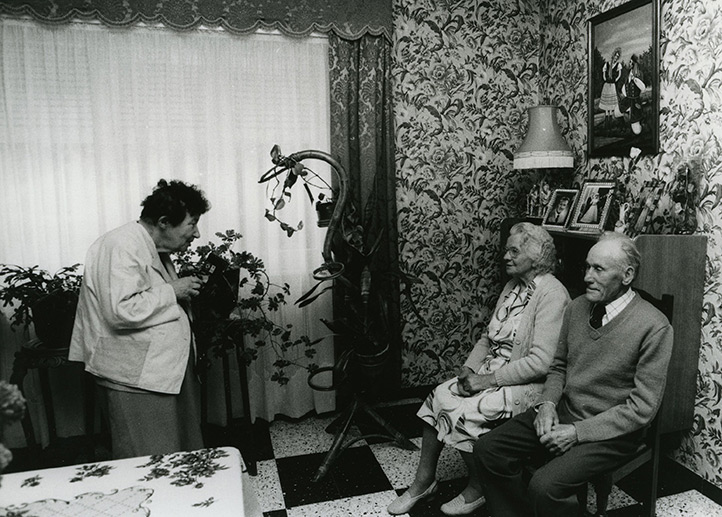
“I knock on the door, I say ‘hello,’ and I shake hands.”
She returned to many houses over the years, photographing people inside and outside their homes. She also captured landscapes, cities, animals, and family life in all its glorious mundanity.
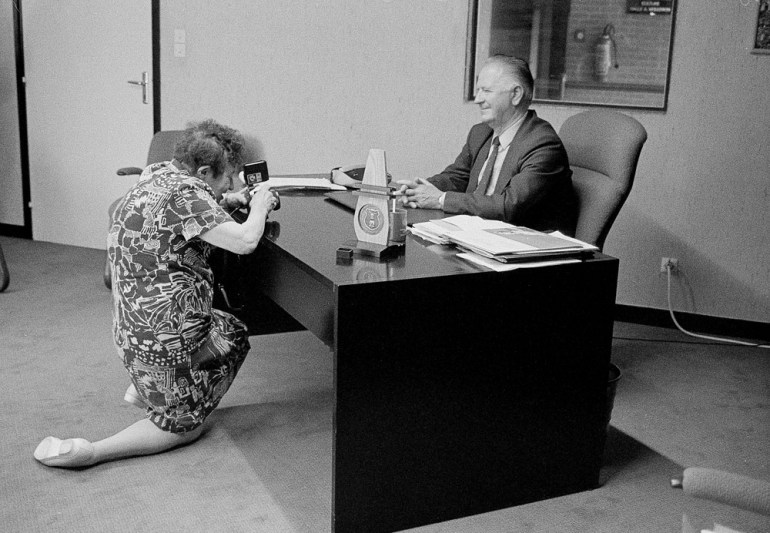
Rydet’s project began when she observed office cubicles at a car factory in Jelcz, a town near Wrocław:
“Although they were identical, they differed a great deal, because the people working there decorated them with what they liked to look at… The things I saw! Beautiful girls and holy icons. Jazz stars and photos of children. Hunting trophies and rosaries. Each person marked his space with his personality. And that’s how it began.”


Sociological inspirations
Photographer David Campany shows that many non-sociologists have used their ideas of sociology in their photographic projects. He notes that, unlike sociology, which uses visual information as data, photographers use sociology to invite exploration of ambiguities:
“My feeling is that what really fascinates us about sociologically motivated photographic projects is that we don’t know quite how to take them, how to read them, what to make of them… Such projects continue to fascinate and generate intensive discussion more because of their provocative methods than for any clear evidence or ‘data’ they offer. They can force a reflection upon assumptions and they are significant precisely because of their irresolvable complexities. I don’t look at any of these projects simply for ‘information’ the way we might turn on a tap to get water, or go to a dictionary for a definition. I go to them because the tension between the brute clarity of the visual information, combined with a poetics of form and the lack of clarity about what we might do with those things itself fascinating and challenging.”


Visual sociology
We have delved into visual sociology many times here at Sociology at Work.
Visual sociology is a set of theories and methodologies used to convey sociological ideas. This means that a sociologist must produce visuals (videos, pictures and so on) as part of their sociological critique, evaluation or analysis of social phenomena. Alternatively, visual sociology involves a sociologist devising a study or program where clients or research participants produce visuals as part of the research project, or a program outcome.
Visual sociology is not merely an analysis of images. Instead, it delivers a non-written representation of a social problem as its primary product or outcome.
For example, we have previously deep-dived into Professor Cathy Greenblat’s photography of dementia, along with Phyllis Braudy Harris’s work on art therapy. If you are a sociology graduate looking for alternative careers, this is yet another way in which you can use sociology outside academia to support communities.
Earlier this year, we reviewed Professor Ridhi Kashyap’s creation of a data visualisation dashboard to track gender inequity in internet and mobile phone use. This is a helpful example of an applied sociological work outcome, as many of us who work outside universities must ‘translate’ sociological research into visual tools, to help non-experts make decisions.
We also explored the work of Professor Ruby Lai, who transformed her research on Hong Kong’s subdivided flats into an interdisciplinary art exhibition. This work demonstrates the power of multidisciplinary collaboration, to encourage the public to engage with sociological critiques in a more accessible way.
Explore our previous exploration of visual sociology in the resources below.



Credits
- Header image original photo by Zofia Rydet, adapted by Sociology at Work.
- Top slideshow of works by Zofia Rydet via Atlas Obscura.
- Centre photos of the artist via the artist’s online archive biography, as well as here, here and here.
- Bottom gallery of works by Zofia Rydet via the artist’s online archive.
Discover more from Sociology at Work
Subscribe to get the latest posts sent to your email.
 Sociology at Work