
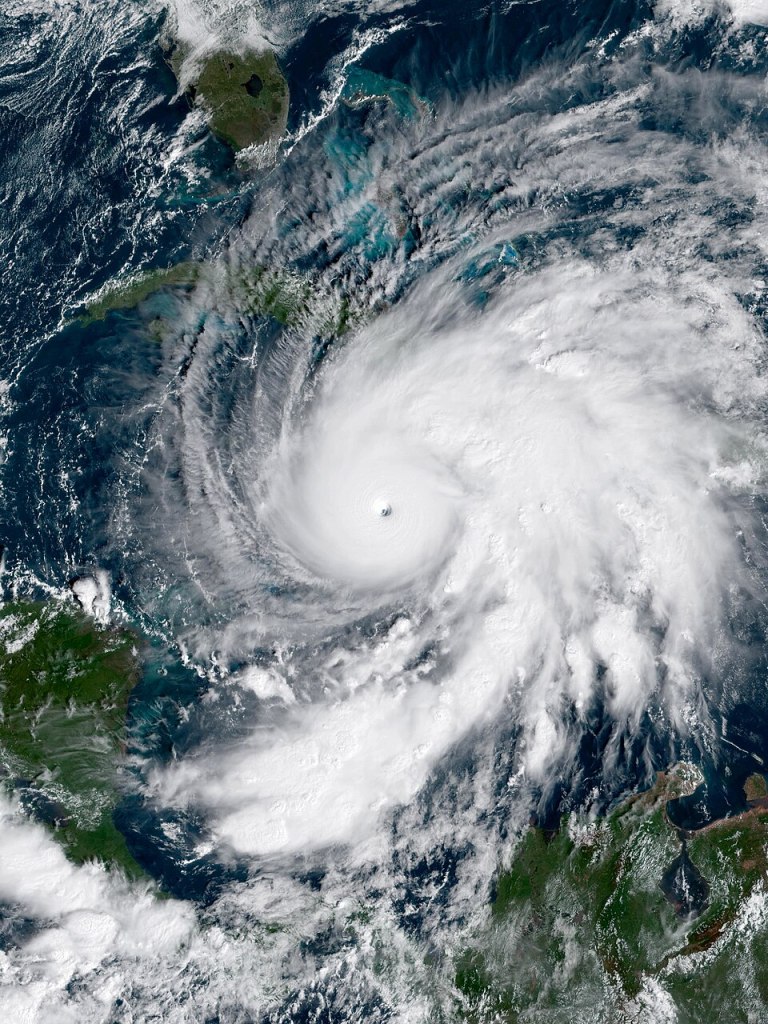
On 28 October 2025, Hurricane Melissa devastated 90% of homes in the Black River area in Jamaica, with at least 50 people dead. This is classified as a Category 5 hurricane, the strongest tropical cyclones and highest intensity on the Saffir-Simpson scale. In a recent article, Assistant Professor Wesley Cheek explains why a sociological understanding of emergency planning is necessary for the recovery process.
Six million people across the Caribbean have been affected by Hurricane Melissa. The United Nations reports that, ‘Haiti, Cuba and Jamaica all suffered extensive damage and loss of life as a result of Hurricane Melissa.’
Writing in Time magazine, Professor Cheek explains that disasters in the Caribbean often have higher fatality rates than other emergency sites.
For example, the 2011 Tōhoku earthquake and tsunami in Japan, which led to the nuclear accident at the Fukushima Daiichi power plant (known as the 3.11 Triple Disaster) reached 9.0 on the Richter scale. It resulted in nearly 20,000 deaths, mostly due to the tsunami, rather than the earthquake.
The 2010 Haiti Earthquake was large but less powerful at 7.0 on the Richter scale, however, it led to 11 times the deaths, at around 222,000 people.
Professor Cheek explains that the disparate outcomes are due to sociological, rather than environmental reasons:
“Vulnerabilities can be split into two basic types: physical and social. Physical vulnerabilities can be things such as low-lying land, landside-prone hills, or dry forests where wildfires are likely. Social vulnerabilities consist of things like income inequality, gender discrimination, and racial segregation […]
“What can explain a less powerful earthquake resulting in many more deaths? This is where social vulnerability comes into play. Poverty, inequality, building standards, access to materials, capacity of the civil society, and legacies of colonialism can lead to more deaths. It is not that the physical environment doesn’t play a role, it is that the terrain that makes a substantial difference is a socioeconomic one.”
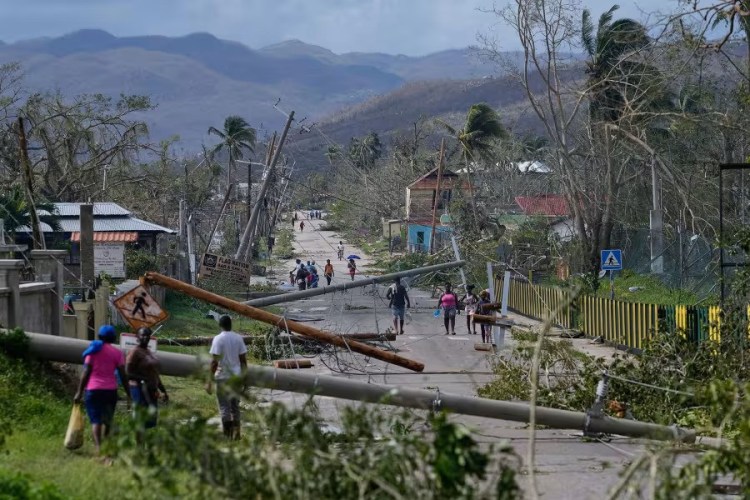
Residents walk through Lacovia Tombstone Jamaica in the aftermath of Hurricane Melissa 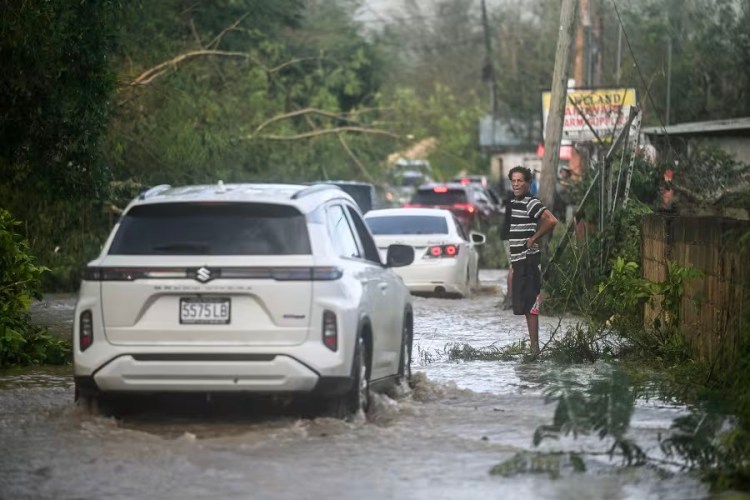
Vehicles maneuver yesterday on a flooded road in St. Elizabeth Jamaica 
Residents brave floodwaters in Haiti 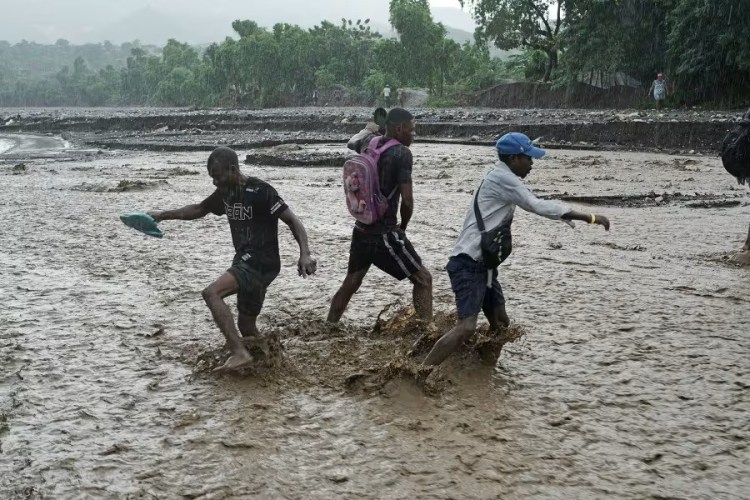
Residents brave floodwaters in Haiti 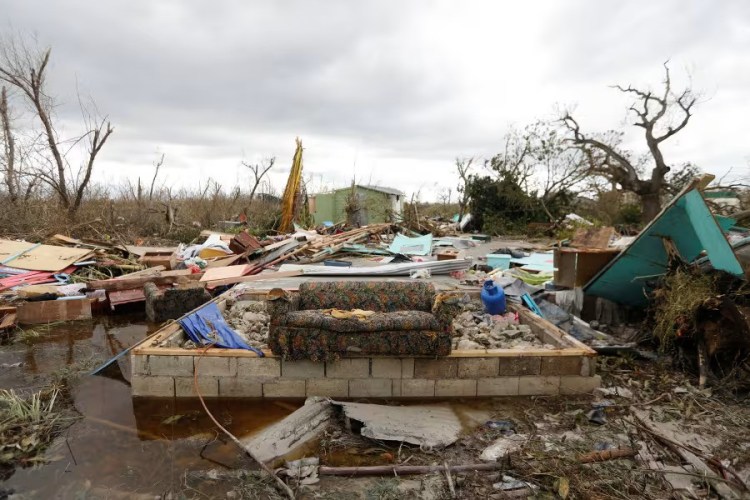
Destroyed building in Black River 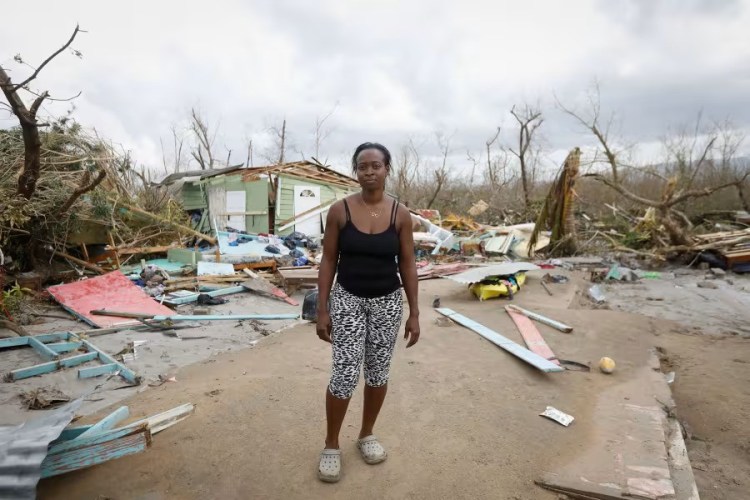
Davia Banton stands in front of a destroyed building in Black River 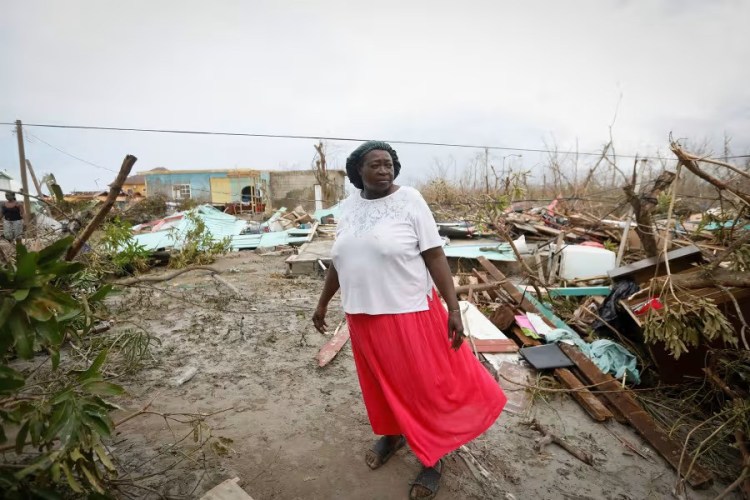
Pamella Foster stands amid debris in Black River 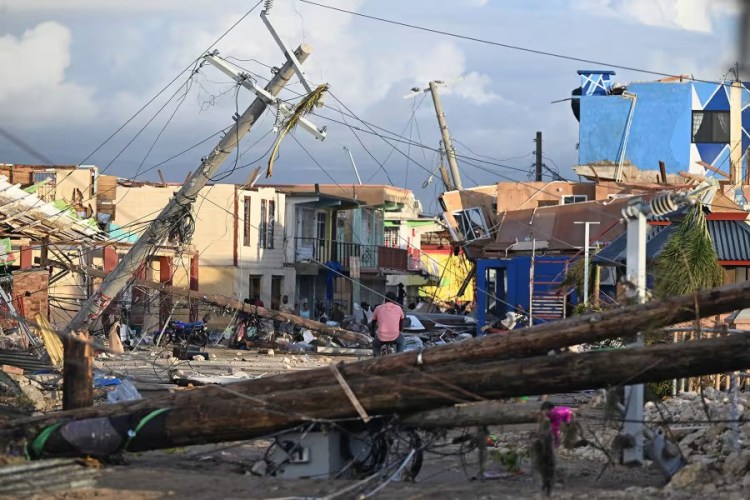
Downed electrical poles block a street in Black River Jamaica 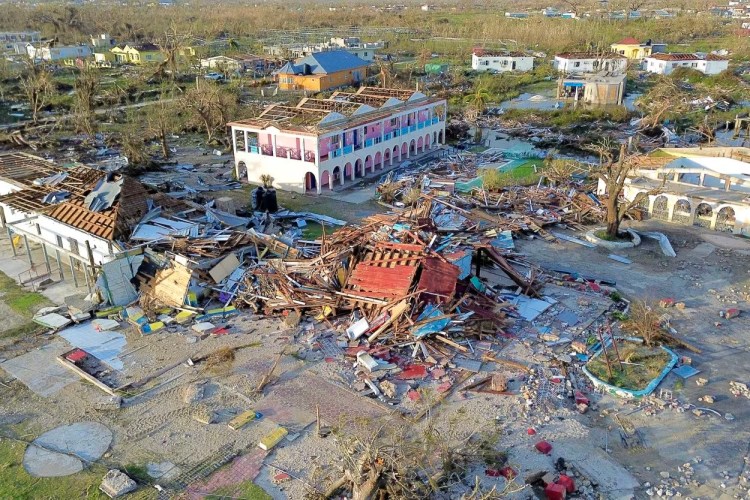
Destroyed buildings in Black River Jamaica 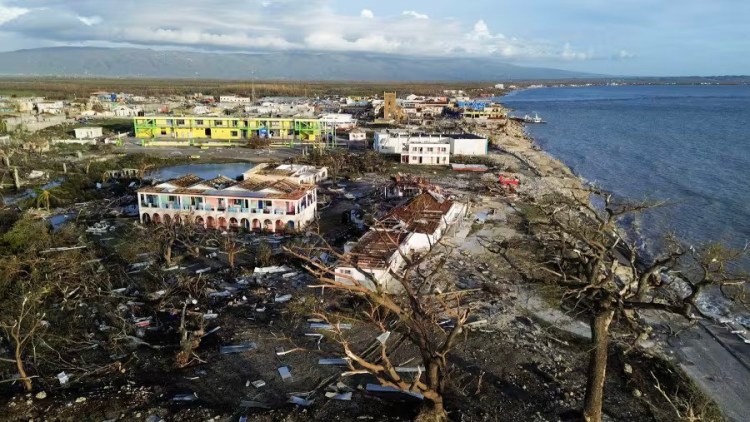
Destroyed buildings in Black River 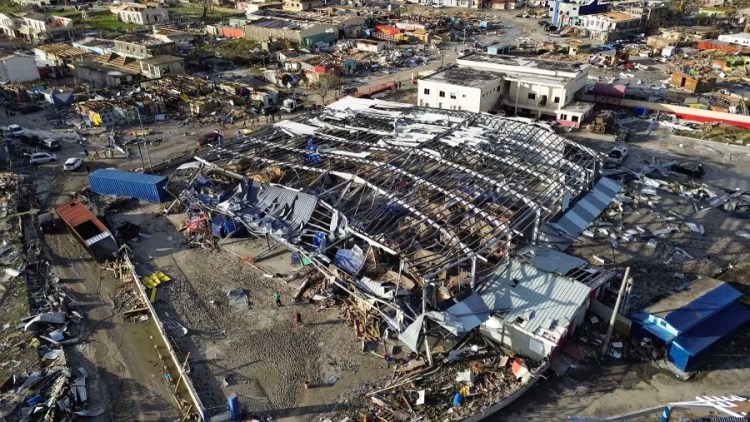
Destroyed buildings in Black River 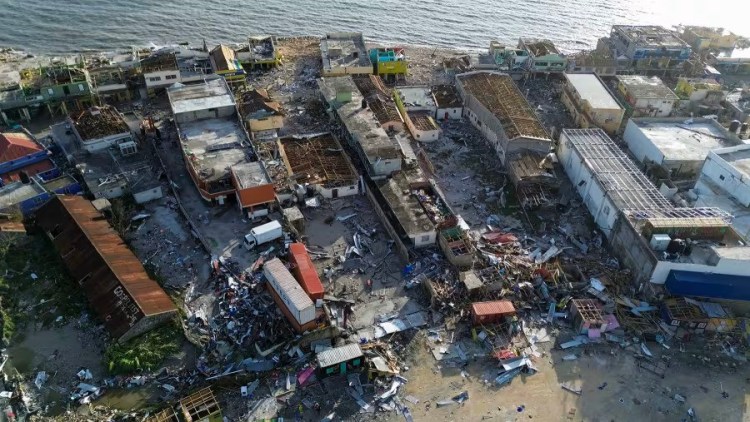
Aerial views reveal extent of destruction in Black River Jamaica 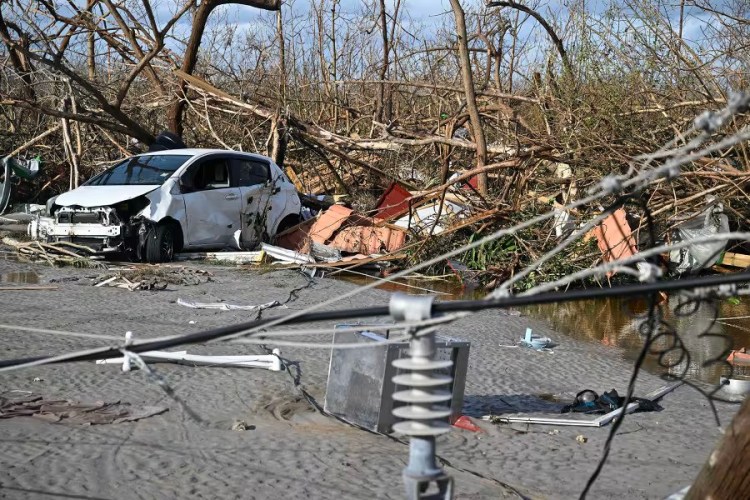
Car is surrounded by debris in Black River Jamaica
Professor Cheek argues that understanding social vulnerabilities is the key to reducing future casualties in Jamaica, as the country shifts from emergency response to recovery and future planning. This sociological understanding is central to the ‘Build Back Better’ approach to post-disaster reconstruction, which includes ‘a mitigation of social vulnerabilities through the recovery process.’
‘To rebuild from a disaster offers a chance to reconsider both the physical and social arrangements of a society. As Jamaica shifts from emergency response to recovery, change should come from the bottom up, be community-based and community-driven.’
Read more on Time.
How to help
Donate to crisis relief via the Jamaican Association of Australia or United Nations.
Credits
Top header original image via the UN.
Slideshow images via NBC.
Learn More


Discover more from Sociology at Work
Subscribe to get the latest posts sent to your email.
 Sociology at Work